
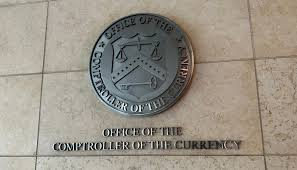
https://pullippassion.com/ – OCC confirms banks can act as intermediaries in crypto transactions, signaling a major shift in how the U.S. banking system interacts with digital assets. This new stance from the Office of the Comptroller of the Currency marks one of the most significant regulatory clarifications in years. It opens doors for traditional banks to take a bigger role in the fast-growing crypto economy.
A Landmark Decision for U.S. Banks
The OCC’s statement clarifies that national banks and federal savings associations can provide crypto transaction services. This includes handling settlement, acting as middlemen between customers, and supporting blockchain-based transfers. Regulators say the goal is to create safer and more transparent pathways for crypto usage.
This move is especially important as financial institutions face pressure to modernize. Customers now expect their banks to offer services that match the digital era, including crypto options.
Why the Decision Matters
For years, banks hesitated to engage with crypto due to unclear rules. The latest announcement removes much of that uncertainty. It confirms that banks can legally operate as intermediaries, similar to how they handle traditional financial transfers.
With clearer guidelines, banks can now explore services like:
- Blockchain-based payment processing
- Crypto custody and secure storage
- Tokenized asset transfers
- Settling transactions between crypto exchanges and customers
This decision strengthens the core message that OCC confirms banks can act as intermediaries in crypto transactions, giving the market confidence.
Bridging Traditional Finance and Crypto
Banks entering the crypto market could transform how people interact with digital assets. Instead of relying solely on exchanges, customers may soon handle crypto activities through familiar banking platforms. This change can boost trust, reduce fraud risks, and bring crypto further into the mainstream.
Banks also benefit by staying competitive. As fintech firms expand rapidly, traditional institutions must innovate to keep pace. The OCC decision makes that possible.
A Step Toward Safer Digital Asset Services
The OCC emphasizes that banks must follow strong risk-management and compliance standards. They must protect customer assets, prevent money laundering, and maintain cybersecurity protocols. Because banks already operate under strict regulations, the crypto market may become safer when traditional institutions participate.
Regulated involvement can reduce fear among cautious investors. It also creates opportunities for partnerships between banks, blockchain firms, and crypto service providers.
Potential Impact on the Crypto Market
Analysts expect this decision to accelerate adoption. As banks begin supporting crypto transfers and settlement, businesses may integrate blockchain payments more easily. Investors may also feel more secure when using digital assets through regulated channels.
This development could push crypto into everyday financial activity—something the industry has aimed for since its creation.
The Future of Banking Is Hybrid
The OCC’s new stance confirms a broader trend: traditional finance and digital finance are merging. Banks now have the regulatory green light to innovate with blockchain technology, potentially reshaping global payments and investment systems.
The message is clear and powerful: OCC confirms banks can act as intermediaries in crypto transactions, opening a new chapter for the U.S. financial sector.
About the Author